Topics of the Presentation
Stephanie Seneff links NAD, mitochondria, glycine, glyphosate, and viral infections in her presentation. These are connections proposed by the speaker at the DDS 2021 summit.
NAD and Mitochondria
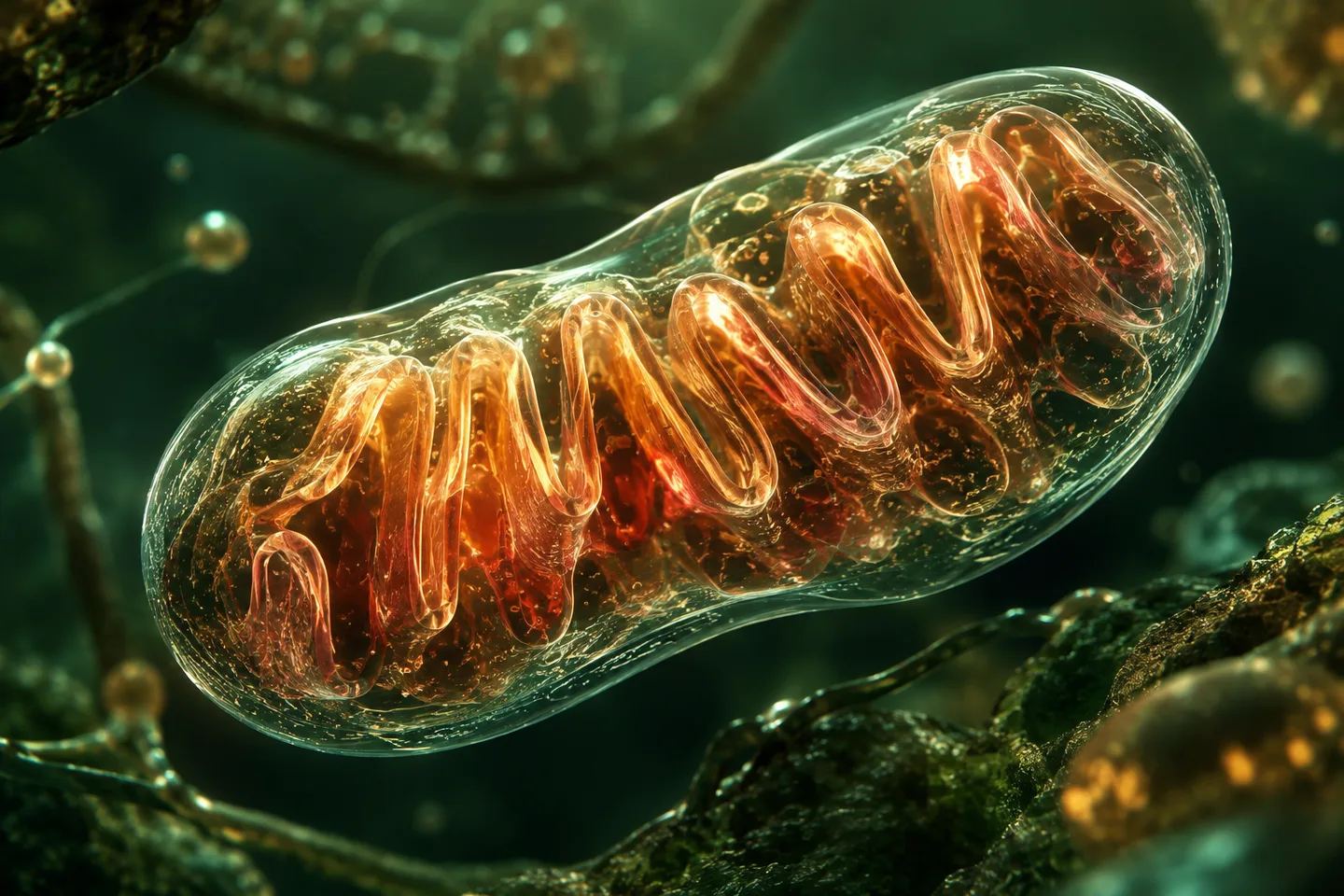
The transcript introduces NAD as a molecule involved in metabolism and describes mitochondria as the site of energy production. These are standard concepts in cell biology that can be explained independently of any claims regarding supplements or products.
Glyphosate and Glycine
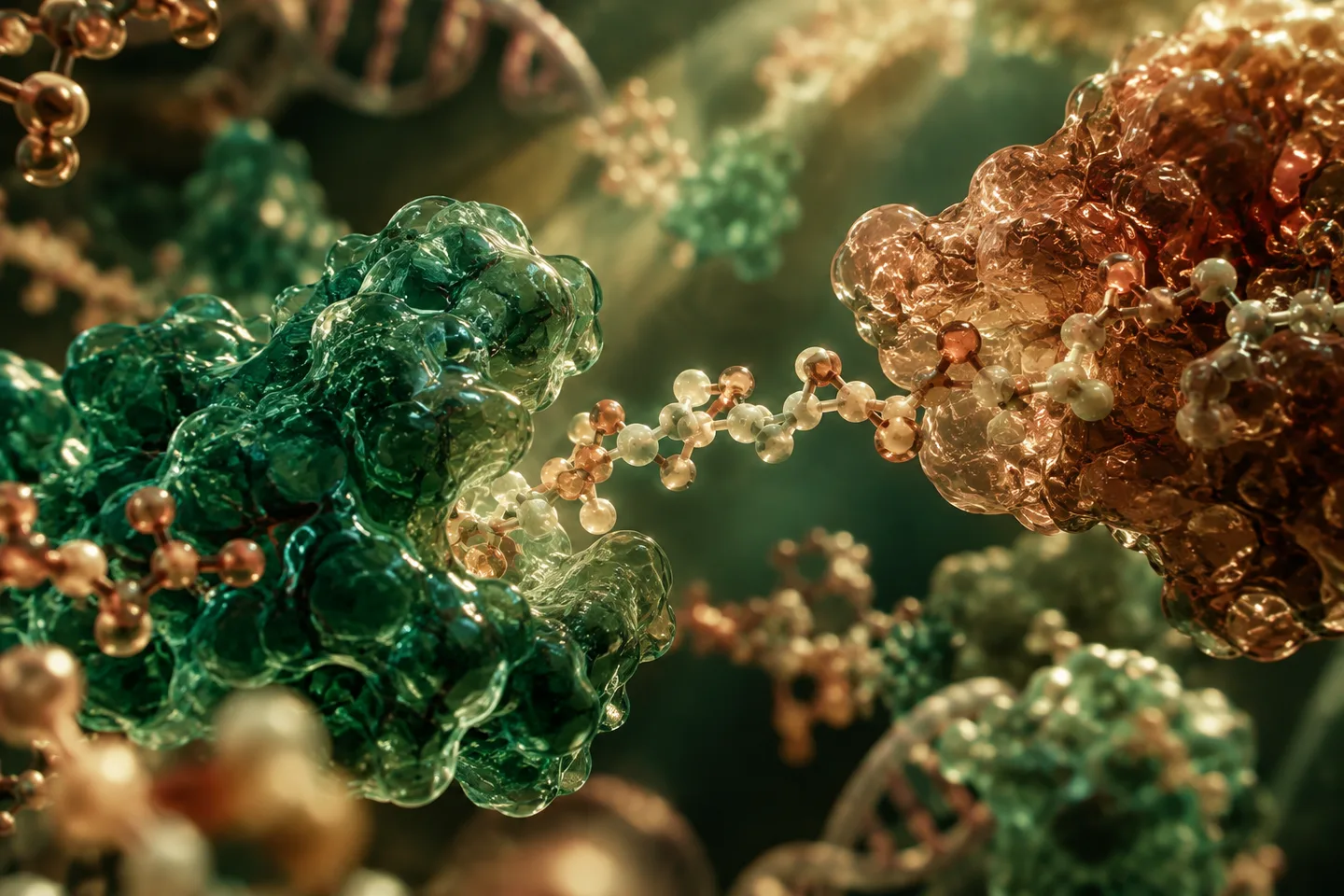
The speaker proposes links between glyphosate, glycine, and proteins, and suggests effects on deuterium handling. These links require validation in primary literature, with clearly defined doses, exposures, and experimental models. We do not present them as established causes.
Viruses and Extrapolation
The presentation also discusses respiratory viruses and severe outcomes. We do not reproduce claims regarding prevention or treatment, as a mechanistic hypothesis does not substitute for clinical studies and risk assessment.
What Requires Verification
Each link must be tested separately: measurement methodology, experimental model, study population, comparator group, and reproducibility. An association or a plausible explanation does not establish causality and does not yield a treatment.
Editorial Note
The transcription belongs to a presentation, not a systematic review. Readers may use it to locate primary literature, taking into account the date, funding, and quality of evidence.
The argument chain must be read link by link.
The presentation connects multiple themes into a single narrative. To interpret it, we separate each transition: from a molecule to an enzyme, from an enzyme to a metabolic pathway, and from that pathway to an observation in humans. Confirming one link does not confirm the entire chain. This reading approach allows discussion of hypotheses without dismissing them solely due to their complexity or accepting them solely because they employ technical terminology.
Why dose and type of observation matter
When a claim is made about a substance or exposure, we ask: what quantity, duration, and system are described? We cannot extrapolate a result across unspecified conditions. In the absence of these details, a cursory synthesis must retain the provisional nature of the explanation. The conclusion of this article addresses how the argument is constructed; it does not establish a causal relationship between glyphosate, deuterium, and infection outcomes, nor does it offer preventive recommendations.
00–08 min · Presentation title and geographic comparisons
Stephanie Seneff announces a presentation linking mitochondrial dysfunction, deuterium, glyphosate, and viruses. She begins with data on the isotopic composition of water across regions and compares these with indicators of depression or other outcomes. She also mentions measurements related to mother and child. These are ecological correlations or observations presented by the speaker; they do not establish individual exposure levels or demonstrate causality. The transcription does not preserve all graphs and references with sufficient clarity to reproduce the calculations.
08–16 min · Mitochondria, protons, and the energy gradient
Seneff discusses the proton gradient and ATP synthase, then uses this mechanism to motivate a hypothesis regarding deuterium’s role in energy production. She walks through observations and comparisons across different organisms and cites studies she considers relevant. A well-established molecular mechanism does not automatically validate conclusions about an individual’s health. Here, we report the flow of the presentation; estimates and effects attributed to the water remain the speaker’s assertions until verified against primary studies.
16–24 min · Glyphosate, FAD, and phosphate binding
She constructs an explanation in which glyphosate might resemble certain chemical components and could affect flavoproteins or phosphate binding. She discusses FAD, NADPH, and enzymes involved in metabolism. This causal chain is a hypothesis presented at the summit, not an established finding—mere structural similarity among molecules does not confirm it. Verification requires testing each link, relevant concentrations, and biological effects in whole organisms, not merely in a schematic or isolated model.
24–32 min · Enzymes, glycine, and expansion of the explanatory chain
Seneff continues linking cofactors, glycine, and additional enzymes to mitochondrial function and signaling changes. She presents molecular sequences and data, interpreting them as supportive of her model. The recording blends general biochemical descriptions with her own interpretations. A protein sequence or a marker change alone does not prove the entire chain; each step must be verified separately, using controlled and replicable experiments.
32–40 min · Infections, immune response, and viruses
The presentation shifts to infections and immune response mechanisms. Seneff proposes that the previously discussed effects could influence the cellular environment and viral replication, citing observations from literature she references. These statements are not recommendations for prevention or treatment, nor do they demonstrate that reduced-deuterium water eliminates viruses. A result in a cellular model, a statistical association, and a clinical study address distinct questions.
40–48 min · COVID-19, oxygenation, and heme
Seneff connects mitochondrial hypotheses to COVID-19, oxygenation, heme, and coagulation processes. She interprets the presented mechanisms as a possible explanation for certain symptoms and discusses data on biological markers. Because the transcript does not fully preserve references and clinical definitions, the article does not assert that these links have been demonstrated. The sequence records the speaker’s position; it does not provide a medical protocol nor substitute for clinical care.
48–54 min · Oxidative stress, foods, and the speaker’s conclusion
Finally, the discussion returns to reactive oxygen species, protein–nutrient interactions, and examples of foods. Seneff ties these themes to her hypothesis on deuterium and metabolism and concludes that further questions and discussions are needed. The article does not convert food examples into a prescribed diet, nor does it present glyphosate, deuterium, or an infection as a singular explanation for disease.
The causal chain must be verified link by link.
Seneff links glyphosate, proteins that use FAD or NADPH, mitochondrial function, and antiviral responses in her presentation. To evaluate such an explanation, each step must be tested: whether the substance reaches the relevant concentration, whether it affects the specific protein, whether it alters cellular function, and whether the effect manifests in humans. Structural similarity between molecules is a reason for further investigation, not proof of the entire chain. The article attributes the model to the speaker and does not present it as an established medical explanation.
Regional and individual outcome associations
Part of the presentation compares regional water values with indicators of depression or other outcomes. Regional-level data do not reflect individual exposure and may reflect differences in climate, income, diagnosis, diet, or access to services. Even a strong correlation, as described by the speaker, does not by itself establish causality. Individual-level data, a defined methodology, and independent replication are required before drawing individual conclusions. We do not publish these graphs as evidence that water prevents or treats depression.
Viruses and treatment claims
Near the end, Seneff extends the explanation to respiratory infections, COVID-19, interferons, heme, and oxygenation. These topics are clinically important, but the recording is a presentation of hypotheses, not a therapeutic evaluation. A plausible cellular pathway does not prove infection prevention, and an immune marker is not equivalent to a patient outcome. The article does not recommend changing treatment, using a food, or consuming a particular water as an antiviral intervention. Statements remain attributed to the speaker and require separate clinical studies.
The explanatory chain proposed in the presentation
Seneff connects multiple domains: regional isotopic variations, mitochondrial function, glycine, and enzymes that use cofactors such as FAD or NADPH, then glyphosate and antiviral responses. This is a broad explanatory chain, and each link requires its own evidence. Structural comparison does not automatically establish enzyme inhibition; a change in a cell does not confirm relevant exposure in humans; a hypothesis about immune response does not demonstrate infection prevention. The article reproduces the argument’s sequence and attributes conclusions to the speaker, without presenting them as an accepted medical explanation.
What is missing for a human conclusion
Geographic graphs, biochemical models, and discussions of COVID-19 address different questions. To draw an individual-level conclusion, one would need measurements of each person’s exposure, reproducible methods, controlled confounding factors, and predefined clinical outcomes. For an intervention, an appropriate comparator and reporting of adverse effects would also be required. The recording does not present such an integrated study. For this reason, the synthesis does not recommend a particular water, food, or other intervention for depression or infections, nor does it suggest delaying medical care.
Geographical comparisons serve as a starting point.
Seneff uses regional differences to correlate water composition with health or mood indicators. Such an analysis may suggest where a pattern warrants further investigation, but the unit of observation is the region, not the individual. It is unknown whether each person consumed the measured water or whether the groups differ in other respects. To test the hypothesis, individual exposure should be measured, confounding factors controlled, and the result replicated. The article retains the author’s presentation of the graphs as an argument rather than using them as evidence of causality.
Claims regarding COVID-19 remain hypothetical in the discourse.
Near the end, the presentation links mitochondria, heme, oxygenation, and immune response to COVID-19. These topics appear in the talk within a context of biochemical hypotheses. They do not establish that water, diet, or a specific isotopic ratio prevents infection, reduces complications, or treats the disease. Such conclusions would require clinical outcome and safety data from a well-designed, independent study, irrespective of the proposed mechanism. The article mentions these ideas to recount what was discussed and explicitly states that they do not constitute medical recommendations.
This article is a thematic synthesis of the DDS 2021 presentation, not a full transcript. Timestamps are approximate, and automated transcription may contain errors in names or numbers. Speakers’ statements are not automatically validated independent results. See theDDS 2021 11-material guide.
Published on 12 September 2026. Documented updates added on 23 September 2026. Event information may be updated by organizers.